Key Takeaways
- R&H Distressed Properties buys houses in any condition, helping homeowners avoid repairs, inspection-related negotiations, and lengthy listing timelines.
- A failed home inspection does not automatically mean your house cannot be sold. In many cases, it simply means issues were discovered that buyers, lenders, or insurance companies want addressed before closing.
- Common inspection problems include roof damage, foundation issues, plumbing leaks, electrical hazards, mold, water damage, and unpermitted work.
- After a failed inspection, buyers may request repairs, negotiate a lower price, ask for credits, or choose to walk away from the transaction.
- Homeowners can fix the issues, relist the property, adjust the price, or sell the house as-is depending on their goals and budget.
Why Home Inspections Matter When Selling a House
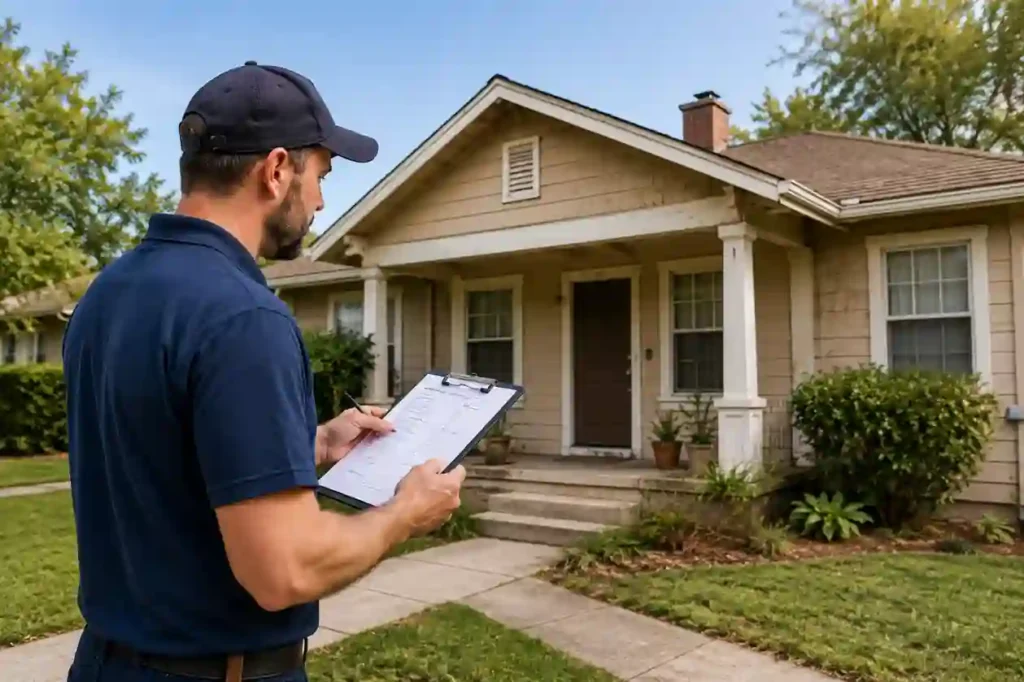
A home inspection is one of the biggest turning points during a real estate transaction. After a buyer makes an offer on a property, they usually hire a professional home inspector to evaluate the condition of the house. The inspection helps uncover problems that may not be visible during a regular walkthrough.
When a house fails inspection, it does not necessarily mean the sale is over. In most cases, it means the inspector found issues that concern the buyer, lender, insurance company, or all three.
Many homeowners panic when they hear the words “failed inspection,” especially if they already packed, made moving plans, or started searching for another home. The good news is that sellers still have options.
According to the American Society of Home Inspectors, most inspections uncover at least some problems. Even newer homes can have defects, deferred maintenance, or safety concerns.
Understanding what happens next can help you make better decisions and avoid losing time, money, and potential buyers.
What Does It Mean When a House Fails Inspection?
A house fails inspection when serious problems are discovered during the inspection process. Technically, homes do not “pass” or “fail” official inspections in a legal sense unless required by a lender, insurance company, or local government program.
Usually, buyers use the phrase “failed inspection” when the report reveals major issues they are unwilling to accept without repairs, credits, or price reductions.
These problems can include:
- Roof damage
- Foundation issues
- Plumbing leaks
- Electrical hazards
- Mold
- Water damage
- HVAC failure
- Termite damage
- Safety concerns
- Structural movement
Sometimes the buyer decides to continue with the purchase after negotiating repairs. Other times, the buyer walks away completely.
How the Home Inspection Process Works
Most inspections happen shortly after a purchase agreement is signed. Buyers typically hire a licensed home inspector to examine the property.
The inspector evaluates major systems including:
- Roof
- Plumbing
- Electrical
- HVAC
- Foundation
- Windows
- Attic
- Crawlspace
- Appliances
- Drainage
- Structural components
The inspector then creates a detailed report explaining the condition of the home.
The Consumer Financial Protection Bureau explains that inspections help buyers understand repair costs and future maintenance needs before completing the purchase.
What Issues Cause a House To Fail Inspection?
Not every issue scares buyers away. Small cosmetic flaws are usually expected. Serious problems are what typically create deal-breaking situations.
Foundation Problems
Foundation movement is one of the biggest red flags during inspections.
Common signs include:
- Cracks in walls
- Uneven floors
- Doors sticking
- Large exterior cracks
- Sloping floors
Foundation repairs can become extremely expensive depending on severity.
The Federal Emergency Management Agency (FEMA) explains that structural movement and water intrusion can worsen over time if ignored.
Roof Damage
Roof issues frequently appear on inspection reports.
Problems may include:
- Missing shingles
- Leaks
- Soft spots
- Improper installation
- Aging materials
- Water intrusion
A failing roof can also create insurance problems for buyers.
Electrical Problems
Old or unsafe electrical systems often concern both buyers and lenders.
Common issues include:
- Knob-and-tube wiring
- Aluminum wiring
- Double-tapped breakers
- Unsafe panels
- Exposed wiring
Electrical hazards may increase fire risks.
The National Fire Protection Association provides safety information about residential electrical systems and fire prevention.
Plumbing Issues
Major plumbing problems can stop deals quickly.
Inspectors often find:
- Sewer line problems
- Leaks
- Corroded pipes
- Water pressure issues
- Drainage problems
- Water heater failures
Older California homes sometimes still contain galvanized plumbing that may require replacement.
HVAC Problems
Heating and cooling systems are expensive to replace.
If the HVAC system is not functioning properly, buyers may ask for:
- repairs
- replacement
- price reductions
- seller credits
Mold Problems
Mold concerns often create fear for buyers.
Mold can develop from:
- leaks
- poor ventilation
- flooding
- roof damage
- plumbing failures
The Environmental Protection Agency explains how moisture problems can lead to mold growth inside homes.
Water Damage
Water damage is one of the most common reasons buyers renegotiate.
Inspectors may find:
- ceiling stains
- wood rot
- subfloor damage
- crawlspace moisture
- basement flooding
- hidden leaks
Termite Damage
Pest issues can become major concerns during escrow.
The United States Environmental Protection Agency explains that termites can silently damage structural wood components for years before detection.
Code Violations
Homes with unpermitted work may fail inspections or create financing issues.
Examples include:
- garage conversions
- room additions
- electrical modifications
- plumbing additions
- illegal ADUs
Safety Hazards
Inspectors often flag safety issues such as:
- missing smoke detectors
- missing handrails
- trip hazards
- broken stairs
- unsafe decks
- exposed wiring
Why Buyers Walk Away After Inspection
Many buyers become emotional after reading inspection reports. Even normal maintenance issues can feel overwhelming.
Buyers may walk away because:
- repairs cost too much
- they fear future problems
- lenders refuse financing
- insurance becomes difficult
- the home feels risky
- contractors give high estimates
In competitive markets, buyers sometimes tolerate more issues. In slower markets, buyers often become more selective.
Can a Seller Refuse Repairs?
Yes. Sellers are not automatically required to fix everything found during inspection.
A seller can:
- refuse repairs
- offer credits
- reduce the price
- negotiate partial repairs
- sell as-is
However, refusing repairs may increase the chances of the buyer canceling the contract.
What Happens After a Failed Inspection?
Several outcomes are possible after a failed inspection.
Buyer Requests Repairs
This is the most common outcome.
Buyers may request:
- roof repairs
- plumbing fixes
- electrical corrections
- HVAC replacement
- pest treatment
- mold remediation
Buyer Requests Credits
Instead of repairs, buyers sometimes ask for credits toward closing costs.
This allows buyers to:
- choose their own contractors
- control repairs later
- close faster
Buyer Renegotiates the Price
Sometimes buyers simply want a lower price to compensate for repair costs.
This often happens when:
- repairs are extensive
- contractors provide high estimates
- financing becomes difficult
Buyer Cancels the Contract
If the inspection contingency is still active, buyers may terminate the contract.
The California Department of Real Estate provides information about California real estate transactions and disclosure requirements.
Does a Failed Inspection Hurt Future Sales?
Yes, sometimes.
Once problems become known, sellers may need to disclose them to future buyers.
Inspection reports can:
- scare future buyers
- reduce market value
- increase days on market
- create financing issues
Homes that return to the market after canceled escrows may also raise questions from new buyers.
What Sellers Must Disclose After Inspection
California has strict disclosure laws.
Sellers generally must disclose known material defects affecting the property’s value or desirability.
The California Legislative Information website contains California disclosure laws related to real estate transactions.
Can You Sell a House As-Is After a Failed Inspection?
Yes.
Many homeowners choose to sell as-is after failed inspections rather than spend money on repairs.
Selling as-is means:
- no repairs
- no upgrades
- buyer understands current condition
- property sold in existing state
However, traditional buyers may still request concessions even with as-is language.
Why Traditional Buyers Often Struggle With Fixer Uppers
Traditional financed buyers usually face stricter requirements.
Lenders may reject homes with:
- major roof problems
- unsafe electrical systems
- foundation movement
- severe water damage
- health hazards
Insurance companies may also refuse coverage.
Without financing or insurance, buyers may not be able to close.
How Cash Buyers Handle Failed Inspections Differently
Cash buyers often purchase homes in poor condition because they are not relying on traditional financing.
Cash home buyers may still inspect the property, but the process is usually more straightforward.
Many cash buyers purchase homes with:
- foundation issues
- fire damage
- hoarding conditions
- mold
- code violations
- major repairs needed
What Repairs Are Usually Worth Fixing?
Not every repair makes financial sense.
Sometimes simple repairs help improve buyer confidence.
Examples include:
- leaking faucets
- broken outlets
- damaged handrails
- smoke detectors
- minor plumbing leaks
Large structural repairs may not always provide a strong return on investment.
Should You Fix Everything Before Selling?
Not always.
Some homeowners spend tens of thousands fixing homes only to discover buyers still negotiate heavily.
Before making repairs, consider:
- local market conditions
- repair costs
- timeline
- holding costs
- stress
- contractor availability
How Repair Costs Add Up Quickly
Many sellers underestimate repair expenses.
Common costs can include:
- permits
- labor
- materials
- inspections
- engineering reports
- cleanup
- temporary housing
HomeAdvisor provides national repair cost estimates for common home projects.
What Happens If the Buyer’s Lender Gets Involved?
Sometimes lenders require repairs before approving the loan.
This commonly affects:
- FHA loans
- VA loans
- USDA loans
Lenders may require:
- roof repairs
- peeling paint correction
- safety improvements
- structural repairs
FHA Loans and Inspection Problems
FHA financing often has stricter property requirements.
The U.S. Department of Housing and Urban Development explains FHA property condition standards.
Homes with safety or livability issues may not qualify.
VA Loans and Property Conditions
VA buyers may also face property condition requirements.
The U.S. Department of Veterans Affairs explains VA home loan standards and minimum property requirements.
Insurance Problems After Inspection
Insurance companies sometimes deny coverage for:
- old roofs
- knob-and-tube wiring
- outdated plumbing
- vacant homes
- fire damage
Without insurance, lenders may refuse financing.
What Happens If Multiple Buyers Walk Away?
This usually signals deeper concerns with the property.
Repeated canceled escrows can:
- lower buyer confidence
- reduce negotiating power
- increase carrying costs
- create disclosure complications
How Long Repairs Can Delay a Sale
Major repairs often delay closings for weeks or months.
Delays may involve:
- permits
- contractors
- city inspections
- engineering
- material shortages
Meanwhile, sellers still pay:
- mortgage payments
- utilities
- insurance
- taxes
Selling a House With Unpermitted Work
Unpermitted work creates challenges during inspections.
Buyers may worry about:
- code violations
- future liability
- safety concerns
- insurance problems
Common examples include:
- converted garages
- added bathrooms
- room additions
- electrical changes
What Happens if Mold Is Found?
Mold discoveries often lead to:
- specialist testing
- remediation estimates
- renegotiations
- buyer fear
Some buyers completely walk away after mold appears in reports.
What Happens if the Sewer Line Fails Inspection?
Sewer problems can become extremely expensive.
Repairs may involve:
- trenching
- pipe replacement
- landscaping damage
- permits
Older homes frequently experience sewer line deterioration.
What Happens if the Roof Needs Replacement?
A failing roof often creates financing and insurance problems simultaneously.
Buyers may:
- request replacement
- demand credits
- renegotiate price
- cancel entirely
Can Sellers Get Their Own Inspection First?
Yes.
Pre-listing inspections help sellers:
- identify problems early
- prepare estimates
- reduce surprises
- improve negotiations
Some sellers prefer knowing the condition beforehand.
Are Older Homes More Likely To Fail Inspection?
Older homes naturally tend to have more deferred maintenance.
Common issues in older homes include:
- outdated electrical systems
- aging plumbing
- settling
- roof wear
- insulation problems
This does not mean older homes cannot sell successfully.
What Happens During Repair Negotiations?
Repair negotiations can become emotional.
Both sides may disagree about:
- severity of problems
- contractor estimates
- responsibility
- repair methods
Clear communication matters during this stage.
Should You Offer Credits or Repairs?
Many sellers prefer credits because:
- they avoid contractor delays
- buyers choose repairs themselves
- escrow may close faster
However, some buyers specifically want repairs completed before closing.
What if You Cannot Afford Repairs?
Many homeowners simply do not have the funds for major repairs.
This is especially common during:
- foreclosure
- probate
- divorce
- inherited properties
- job loss
- retirement
Selling as-is may become the most realistic option.
Why Distressed Properties Often Fail Inspection
Distressed properties commonly have:
- deferred maintenance
- water intrusion
- vandalism
- vacancy damage
- outdated systems
These homes frequently struggle with traditional financing.
What Investors Look for After Failed Inspections
Real estate investors often focus on:
- repair potential
- resale value
- rental potential
- neighborhood demand
Many investors expect repairs and are less alarmed by inspection reports.
Can a Failed Inspection Reduce Your Home Value?
Yes.
Buyers usually factor repair costs into offers.
Large repair estimates can significantly reduce market value.
How To Prepare for Inspection Before Selling
Preparation can help reduce surprises.
Consider:
- fixing leaks
- replacing smoke detectors
- cleaning crawlspaces
- servicing HVAC systems
- repairing safety hazards
Organized homes also create better impressions.
Should You Clean Before Inspection?
Yes.
A clean property:
- feels maintained
- helps inspectors access systems
- improves buyer confidence
Clutter can make buyers assume hidden problems exist.
What Happens if Structural Damage Is Found?
Structural damage is one of the most serious inspection findings.
It may require:
- engineers
- foundation specialists
- extensive repairs
Many financed buyers hesitate when structural problems appear.
How To Decide Between Repairs or Selling As-Is
Every situation is different.
Consider:
- repair costs
- timeline
- equity
- stress
- contractor availability
- market conditions
Sometimes investing in repairs makes sense. Other times selling directly becomes the easier solution.
What Happens If You Don’t Want To Make Repairs?
Many homeowners do not want to spend thousands fixing inspection issues before selling. Others simply do not have the time or money to deal with contractors, permits, and delays.
That is where R&H Distressed Properties can help. We buy houses as-is, including homes with foundation problems, roof damage, plumbing issues, mold, code violations, and other failed inspection concerns.
Our Simple Process
Step 1: Tell Us About the Property
Call us or fill out our form with basic information about the house and any inspection issues.
Step 2: Receive a Fair Cash Offer
R&H Distressed Properties reviews the property and provides a fair cash offer without commissions or hidden fees.
Step 3: Choose Your Closing Date
Pick the timeline that works best for you. We can often close in as little as 5 days.
Why Some Sellers Choose To Sell As-Is
After a failed inspection, repair costs can add up quickly. Many homeowners choose to sell as-is instead of dealing with repairs, buyer negotiations, and financing delays.
R&H Distressed Properties works with homeowners looking for a simpler way to sell without fixing the property first.
Why Some Homeowners Choose Cash Buyers After Failed Inspections
Some sellers decide they no longer want:
- repeated showings
- inspection negotiations
- lender delays
- contractor estimates
- repair uncertainty
Cash sales often provide simpler transactions for homes needing major work.
Frequently Asked Questions
Can you sell a house that failed inspection?
Yes. Many homes sell after failed inspections through repairs, credits, price reductions, or as-is cash sales.
Who pays for repairs after a failed home inspection?
Repairs are negotiable. Sellers may agree to fix issues, offer credits, lower the price, or refuse repairs entirely.
Can a buyer walk away after a failed inspection?
Yes. If the inspection contingency is still active, buyers can often cancel the contract without penalties.
What are the biggest red flags during a home inspection?
Foundation issues, roof damage, mold, water intrusion, electrical hazards, plumbing problems, and structural damage are some of the biggest concerns.
Do sellers have to disclose failed inspections in California?
California sellers generally must disclose known material defects that could affect the property’s value or desirability.
Can you sell a house as-is after a failed inspection?
Yes. Many homeowners choose to sell as-is instead of making repairs, especially when the property needs major work.
Will FHA or VA buyers buy a house with inspection problems?
Sometimes, but major safety or condition issues can create financing challenges for FHA and VA loans.
What happens if the roof fails inspection?
Buyers may request repairs, credits, replacement, or cancel the transaction depending on the severity of the damage.
Can mold cause a house sale to fail?
Yes. Mold concerns often lead to renegotiations, remediation requests, or canceled escrows.
How do cash buyers handle failed inspections?
Cash buyers often purchase houses in poor condition without requiring major repairs or lender approval.
What if I cannot afford repairs before selling?
Some homeowners choose to sell the property as-is to avoid repair costs, contractor delays, and additional financial stress.
Does a failed inspection lower home value?
It can. Buyers usually factor repair costs and risks into their offers after reviewing inspection reports.
Final Thoughts on Failed Home Inspections
A failed inspection does not automatically mean your house cannot sell. It simply means problems were discovered that buyers now must evaluate.
Some buyers negotiate. Some request repairs. Some walk away.
The important thing is understanding your options early so you can decide what makes the most financial and practical sense for your situation.
Whether you repair the property, offer credits, renegotiate the price, or sell as-is, knowing how inspections affect home sales can help you move forward with more confidence.